What Permits Do NYC Homeowners Need for a Remodel?

What Permits Do NYC Homeowners Need for a Remodel?
Planning a renovation in NYC can be exciting, but before demolition starts or materials are ordered, homeowners need to understand the permit requirements involved in remodeling in New York City. Whether you are renovating a kitchen, updating a bathroom, removing walls, or completing a full apartment renovation, many projects require approvals from the NYC Department of Buildings (DOB) before work can begin.
Permit requirements exist to ensure renovation projects meet safety standards, zoning regulations, and NYC building codes. Failing to obtain the correct renovation permit can lead to stop-work orders, delays, violations, and expensive penalties.
For many property owners, the permitting process can feel overwhelming, especially in co-ops, condos, landmark buildings, or historic districts where additional approvals may be required. Understanding which permits apply to your renovation project can help avoid delays and keep your remodel moving smoothly.
Why Renovation Permits Matter in NYC
Most remodeling work in New York City falls under the oversight of the NYC Department of Buildings. The DOB reviews renovation plans to confirm that the work complies with current building codes and safety regulations.
Permits are commonly required when renovations involve:
- Electrical work
- Plumbing changes
- Gas line modifications
- Structural changes
- Removing walls
- Mechanical systems
- Layout reconfiguration
- Adding bathrooms
- Altering occupancy or room use
Even smaller renovation projects may require filings depending on the scope of work involved.
In many cases, homeowners also need approvals from:
- Co-op boards
- Condo boards
- Building management
- The Landmarks Preservation Commission (LPC)
- NYC Department of Transportation (DOT)
This is especially common when renovating in historic districts or landmark-designated buildings throughout Manhattan and Brooklyn.
READ MORE → What is a design-build firm?
Common Remodeling Projects That Require Permits
Kitchen Renovations
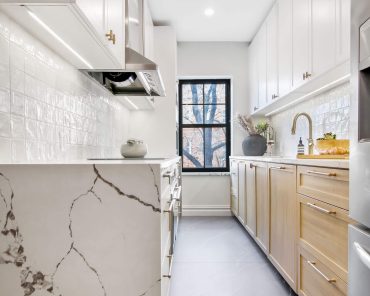
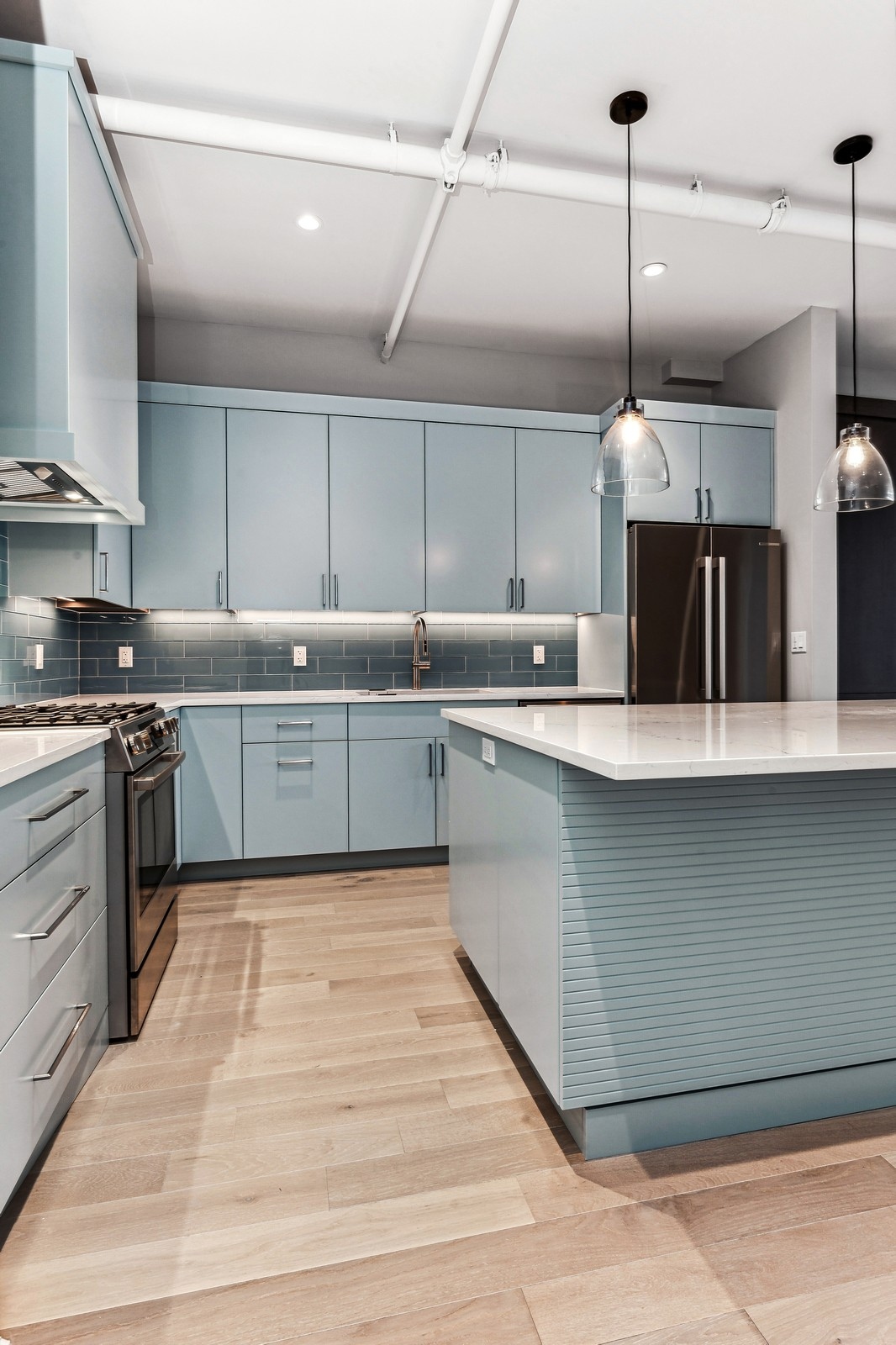
Many kitchen remodeling projects require permits in NYC, particularly when plumbing, electrical work, or gas lines are being modified.
A kitchen renovation may require permits if the project includes:
- Moving a sink
- Adding electrical outlets
- Relocating appliances
- Updating gas connections
- Removing walls
- Changing the layout
- Upgrading ventilation systems
Simple cosmetic updates such as painting cabinets or replacing countertops without altering plumbing or electrical systems may not require permits. However, most full kitchen renovations involve at least some permitted work.
READ MORE → The Cost Breakdown of Remodeling a Kitchen in NYC
Bathroom Renovations
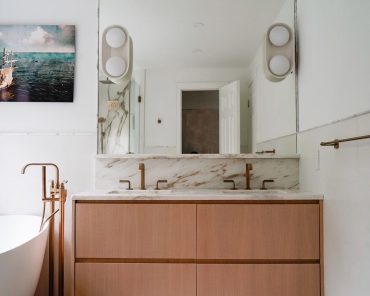
Bathroom remodeling projects frequently require permits because bathrooms involve plumbing, waterproofing, and ventilation systems.
Bathroom renovations often require permits when homeowners are:
- Relocating plumbing fixtures
- Expanding the bathroom
- Installing new ventilation
- Upgrading electrical wiring
- Changing layouts
- Adding a bathroom
Many NYC bathroom renovations are filed as Alteration Type 2 (ALT-2) applications through the DOB.
Removing Walls or Changing Layouts
One of the most common questions homeowners ask is whether removing walls requires a permit. In NYC, the answer is usually yes.
Even non-load-bearing walls may require approval depending on:
- Egress requirements
- Fire-rated assemblies
- Plumbing or electrical systems inside the wall
- Changes to room layouts
Structural modifications almost always require filings prepared by a registered architect or licensed professional engineer.
Electrical Work Permits
Electrical work in NYC requires permits whenever wiring, outlets, service panels, or circuits are modified.
Examples include:
- Rewiring apartments
- Installing recessed lighting
- Upgrading electrical panels
- Adding circuits
- Relocating outlets
Electrical permits must be filed by a licensed professional or licensed electrician registered with the DOB.
Plumbing Permits
Plumbing permits are required for projects involving:
- Moving plumbing fixtures
- Replacing piping
- Installing new bathrooms
- Relocating sinks or showers
- Gas line modifications
In many apartment renovations, plumbing permits are among the most important approvals needed before construction begins.
Landmark Preservation Commission (LPC) Approvals
If a property is located in a historic district or landmark-designated area, homeowners may also need approvals from the Landmarks Preservation Commission LPC before work can begin.
LPC approvals are common in neighborhoods such as:
- Brooklyn Heights
- Greenwich Village
- SoHo
- Tribeca
- Upper West Side
- Park Slope
Exterior changes often require LPC approval, including:
- Window replacements
- Façade modifications
- Roof work
- Additions
- Rear extensions
In some cases, even visible exterior renovations on brownstones require extensive review.
What Is an ALT-1, ALT-2, or ALT-3 Permit?
NYC renovation permits are often categorized as Alteration Type filings.
Alteration Type 1 (ALT-1)
ALT-1 permits involve major changes that affect:
- Occupancy
- Use
- Egress
- Certificate of Occupancy
Examples include:
- Apartment combinations
- Converting building use
- Adding legal dwelling units
These filings are more complex and often require extensive reviews.
Alteration Type 2 (ALT-2)
ALT-2 permits are the most common renovation permits in NYC. They apply to projects involving multiple types of work without changing the building’s occupancy classification.
Most apartment renovations, kitchen remodels, and bathroom renovations fall into this category.
Alteration Type 3 (ALT-3)
ALT-3 permits are generally used for smaller projects involving limited work scopes.
Projects That Usually Do Not Require Permits
Some cosmetic updates can typically be completed without a renovation permit.
Examples include:
- Painting
- Installing cabinets
- Refinishing floors
- Replacing fixtures like-for-like
- Minor finish work
However, building management or co-op boards may still require approvals even if the DOB does not.
Homeowners should always confirm permit requirements before beginning work.
How the Permit Application Process Works
The renovation permit process in NYC usually begins with a consultation involving a contractor, architect, or licensed professional.
The process often includes:
- Evaluating the renovation scope
- Preparing construction drawings
- Filing plans with the NYC Department of Buildings
- Reviewing DOB objections if necessary
- Obtaining approvals and permits
- Scheduling inspections
- Completing final sign-offs
For larger renovation projects, homeowners may also work with a permit expediter to help manage filings and approvals.
How Long Do NYC Renovation Permits Take?
Permit timelines vary depending on:
- Project complexity
- Building type
- DOB review volume
- Landmark approvals
- Co-op or condo board approvals
- Structural work involved
Smaller renovations may move through the process relatively quickly, while larger projects involving structural changes or landmark approvals can take several months.
Planning ahead is important, especially for full apartment renovations and brownstone remodels.
Risks of Renovating Without Permits
Skipping permits may seem faster initially, but unpermitted work can create major problems later.
Potential consequences include:
- Stop-work orders
- DOB violations
- Expensive fines
- Insurance issues
- Problems selling the property
- Legal liability
- Delays during refinancing or inspections
Illegal construction may also require finished work to be removed or rebuilt to meet code requirements.
Working With a Licensed Professional
Because NYC permit requirements can be complex, many homeowners work with experienced contractors, architects, and design-build firms familiar with renovating in New York City.
An experienced team can help homeowners:
- Understand permit requirements
- Coordinate filings
- Manage inspections
- Handle co-op board approvals
- Navigate DOB processes
- Avoid costly delays
Working with licensed professionals also helps ensure renovation work is completed safely and according to NYC building regulations.
Final Thoughts
Understanding what kind of permits NYC homeowners need for a remodel is one of the most important parts of planning a successful renovation project. Whether you are renovating a kitchen, remodeling a bathroom, removing walls, or completing a full apartment renovation, proper permits help protect your property, ensure safety, and keep the project compliant with NYC building codes.
Every renovation project is different, and permit requirements can vary based on the building type, location, and scope of work involved. Planning early, working with experienced professionals, and understanding the permit application process can help homeowners avoid delays and move through renovations more efficiently.
Contact Essential for a complimentary consultation and walk-through of your space.