








The design-build remodeling process connects planning, design and construction through one coordinated team. This guide explains the decisions and handoffs that move a New York City renovation from the first conversation to the final walkthrough.
Design-build brings design and construction responsibility into one coordinated process. For renovation clients, that means feasibility, drawings, selections, pricing, approvals, procurement, and field execution can be evaluated together instead of moving through disconnected handoffs.
Discovery Establishes the Brief
The process begins by documenting goals, existing conditions, priorities, constraints, and the target investment. This stage defines what success means for the client and identifies questions that need technical investigation.
Design and Estimating Inform Each Other
As layouts and materials develop, the construction team can review access, sequencing, systems, lead times, and cost implications. Feedback arrives while changes are still practical, helping the design remain aligned with the approved scope.
Documentation Supports Approvals
Coordinated drawings, specifications, schedules, and contractor documents give buildings and reviewing professionals a consistent description of the work. Questions can be answered by the same team responsible for executing the details.
Procurement Connects to the Schedule
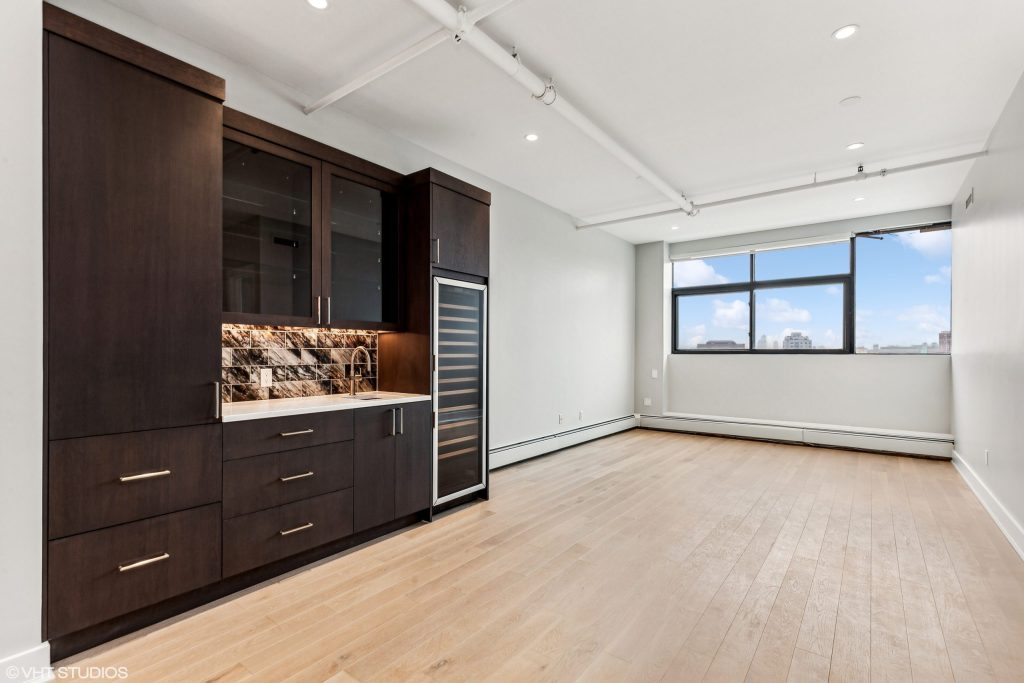
Selections are translated into orders, lead times, delivery plans, and installation requirements. The construction schedule can reflect the actual availability of cabinetry, stone, plumbing fixtures, lighting, and other critical components.
Construction Follows the Approved Intent
The designers and builders remain connected during field work, allowing details and unforeseen conditions to be resolved without losing the original design direction. Closeout then includes testing, punch-list completion, documentation, and final review.
A connected design-build process includes:
- Existing-condition review and feasibility.
- Coordinated design, scope, and estimating.
- Building and agency submission support.
- Selections, procurement, and scheduling.
- Construction administration and closeout.
The value of design-build is continuity. The same project goals guide each phase, decisions have clear ownership, and the client has one coordinated team responsible for moving the renovation forward.
Before you start
- Identify the person responsible for scope, budget and schedule decisions.
- Review deliverables at each design stage before authorizing the next phase.
- Agree on how selections, approvals and changes will be documented.
Explore our new builds gut renovations services and our guide to What is a design-build firm and why choose one for your project?. For a property-specific conversation, contact Essential Remodeling.