
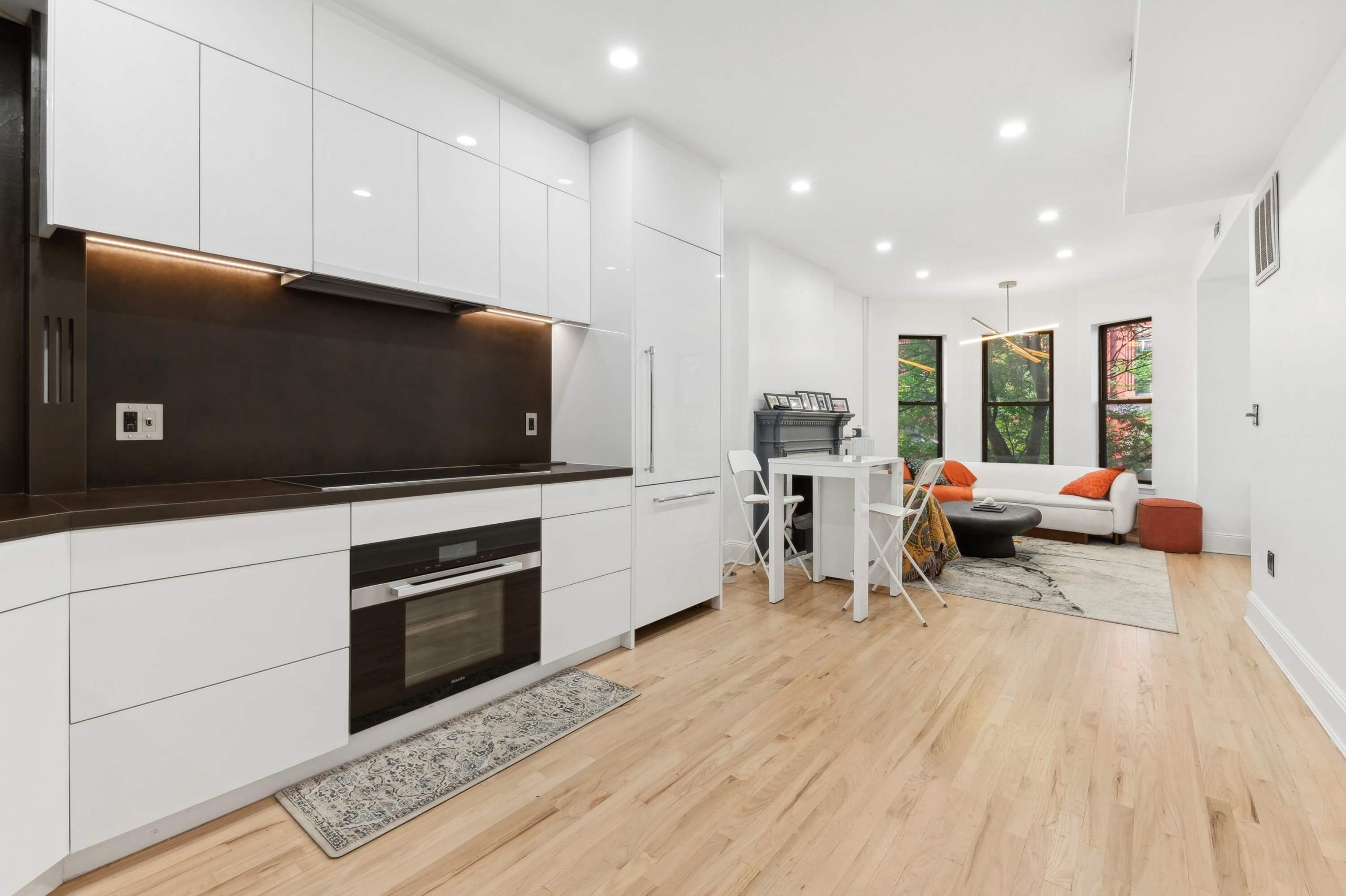










Choosing a project team is one of the first major decisions in a New York renovation. Homeowners often compare a design-build firm with a general contractor, but the two approaches organize responsibility differently. The right choice depends on how complete the design is, who will coordinate consultants and approvals, and how much integration you want between design decisions and construction pricing.
For a substantial apartment, townhouse, or full interior renovation, this decision affects communication, schedule, cost control, and accountability from the first survey through closeout.
The central difference
A traditional general contractor is normally responsible for constructing a design prepared by an architect or designer under a separate agreement. The owner manages the relationship between the design team and contractor unless an architect is retained for construction administration.
A design-build firm connects design planning and construction within one coordinated delivery structure. The team can review layouts, materials, building requirements, pricing, procurement, and sequencing while the design develops. That connection can be useful when a project needs early budget feedback or when New York building conditions may influence design choices.

How a design-build team organizes the project
Design-build begins by defining the property, goals, working budget, and expected level of finish. The team then develops layouts and details while checking practical issues such as plumbing locations, electrical capacity, mechanical systems, building rules, access, and material lead times.
Because construction knowledge is present during design, the team can identify details that need investigation before they become field changes. Pricing can also become more specific as drawings and selections progress. The owner still approves the important decisions, but coordination is concentrated within one accountable team.
Explore how Essential approaches a design-build renovation in NYC.
When a general contractor may be the right choice
A general contractor can be an appropriate fit when a complete, coordinated drawing set already exists and the owner has a separate architect or designer managing design intent. This approach can also work well for a clearly defined scope with limited design development.
The owner should confirm who will answer design questions, review substitutions, coordinate consultants, update drawings, and evaluate changes discovered during construction. If those responsibilities are not assigned, the project can lose time while the owner moves information between separate parties.
Why New York projects need early coordination
NYC renovations can involve alteration agreements, building architect review, insurance requirements, approved work hours, elevator reservations, common area protection, filings, permits, and inspections. Apartment work may also be shaped by wet over dry restrictions, riser locations, structural limits, and the building’s preferred details.
These requirements are easier to manage when the project schedule identifies who prepares each item, who submits it, and what must be approved before procurement or construction. Neither delivery method removes these responsibilities. The difference is how the team assigns and coordinates them.

Questions to ask before hiring
- Who is responsible for design, engineering, estimating, approvals, procurement, and construction?
- At what stage will the team provide a detailed scope and construction price?
- How are allowances, exclusions, and owner supplied items documented?
- Who reviews building rules and prepares the alteration submission?
- How are field conditions, design changes, and schedule effects communicated?
- Which completed projects are comparable in building type, scope, and level of finish?
- Who remains accountable through punch list, inspections, and closeout?
Choose the structure that fits the real project
If you already have complete drawings and a design professional leading construction administration, a qualified general contractor may be a strong fit. If the project is still taking shape and you want design, pricing, approvals, and construction to develop as one process, design-build may offer clearer coordination.
The most important test is not the label. It is whether responsibilities are complete, documented, and assigned to people with relevant New York experience.
Planning a substantial NYC renovation?
Share the property, desired scope, timing, and working budget. Essential can help determine the right planning and delivery path.
Request a free consultation or review our completed NYC projects.